
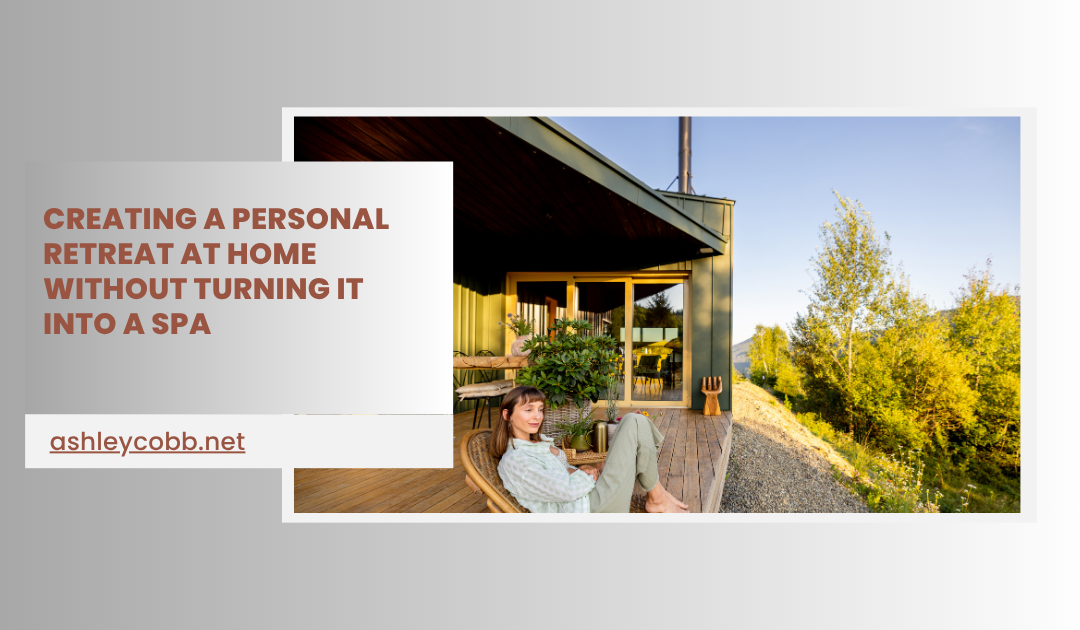
Your home does not need a luxury bathtub, expensive candles, or a room filled with wellness products to become a place where you can truly relax. Sometimes, creating a personal retreat is less about adding more things and more about making thoughtful changes to the space you already have.
A personal retreat is simply an area of your home that helps you slow down, recharge, and step away from everyday distractions. Whether you have an entire spare room or just a comfortable corner, you can create a peaceful environment without making it feel like a commercial spa.
Start With One Dedicated Spot
You do not need to redesign your entire home. Choose one area that can become your personal escape.
It could be a reading chair beside a window, a corner of your bedroom, a section of the living room, or even a small outdoor space. The key is consistency. When you regularly use the same area for relaxing activities, your mind can begin to associate that space with slowing down.
Keep the area simple. A comfortable chair, soft blanket, small table, or floor cushion may be enough to create a noticeable difference.
Remove the Visual Noise
Relaxation can be difficult when your surroundings constantly remind you of unfinished tasks. A pile of paperwork, overflowing laundry basket, or cluttered table can quietly compete for your attention.
Instead of trying to organize everything at once, focus only on your retreat area. Remove unnecessary objects and keep the surfaces relatively clear.
This does not mean your space needs to look perfectly minimalist. The goal is simply to create an area that feels calmer than the rest of your home.
Pay Attention to Lighting
Lighting can completely change the atmosphere of a room. Bright overhead lights may be useful during the day, but they are not always ideal when you want to unwind.
Try using a small lamp, warm-toned bulb, or natural light instead. During the evening, softer lighting can make the space feel more comfortable without requiring elaborate décor.
If you have access to natural daylight, position your retreat near a window. Morning sunlight can make the space feel fresh, while an evening view can create a natural transition from a busy day to a quieter night.
Add Comfort Without Overdoing It
Comfort does not have to mean filling the room with cushions and decorative accessories. Choose a few items that genuinely make you feel comfortable.
A favorite blanket, supportive pillow, soft rug, or comfortable chair can make a bigger difference than a collection of expensive décor. Think about how you want the space to feel rather than how you want it to look in photographs.
Your retreat should reflect your preferences. If you prefer reading, keep a few favorite books nearby. If music helps you relax, create a simple listening setup. If you enjoy journaling, keep a notebook within reach.
Create a “No-Pressure” Zone
One of the most important parts of a personal retreat is deciding what does not belong there.
Try to keep work, household planning, and stressful conversations outside the space whenever possible. You do not need strict rules, but having a few boundaries can make the area feel different from the rest of your home.
For example, you might decide that your retreat is where you read for 20 minutes, drink your morning coffee, stretch, listen to music, or simply sit without checking your phone.
The activity itself is less important than the feeling it creates.
Make It Personal
A retreat should not look like someone else’s idea of relaxation. Your version might include family photographs, artwork, plants, a favorite chair, or objects connected to meaningful memories.
Personal details can make a space feel comforting and familiar. Instead of following a particular interior design trend, choose things that make you genuinely happy to spend time there.
Give Yourself Permission to Use It
Perhaps the biggest challenge is not creating the space—it is actually using it.
You do not need to wait until the house is perfectly clean or until you have an entire afternoon free. Ten quiet minutes can be enough. Sit down, put your phone aside, take a few slow breaths, read a few pages, or simply enjoy the silence.
A personal retreat is not about escaping your responsibilities forever. It is about creating small moments where you can return to yourself.
A Space That Feels Like Yours
Creating a personal retreat at home does not require a major renovation or a large budget. It starts with identifying what helps you feel comfortable and intentionally giving those things a place in your everyday environment.
Clear one corner. Adjust the lighting. Add something comfortable. Remove a distraction. Most importantly, make the space yours.
The best home retreat is not the one that looks like a spa. It is the one that makes you want to stay for a little while longer.