
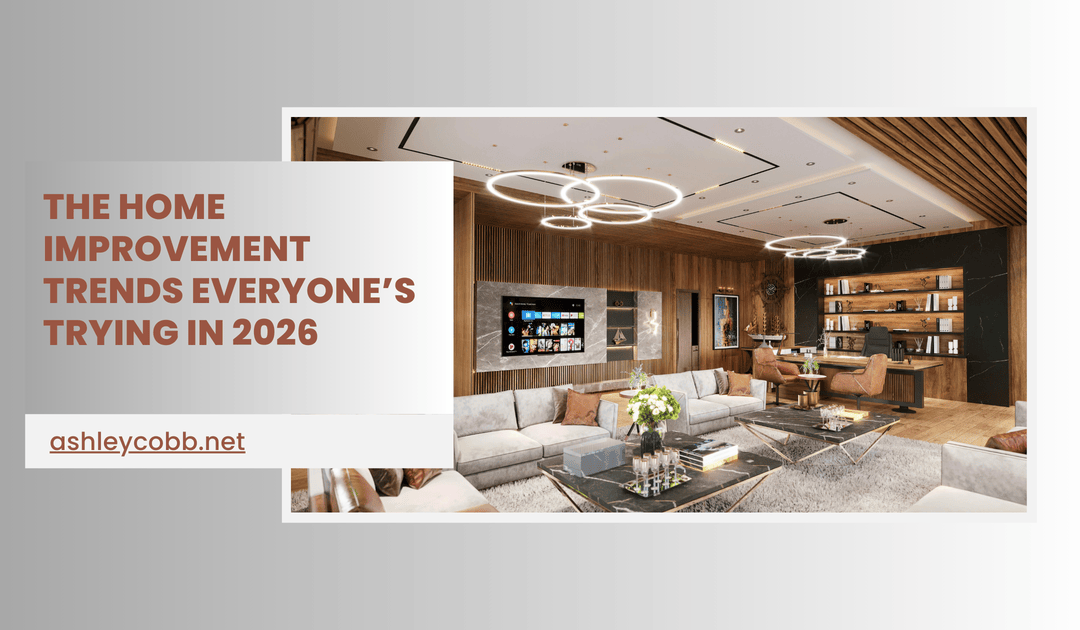
As we settle into 2026, homeowners are redefining what comfort, style, and functionality mean in their living spaces. The latest home improvement trends reflect evolving lifestyles, new technology, and a deeper focus on wellness and sustainability. Whether you’re planning a major renovation or a few thoughtful updates, these trends are shaping how people are transforming their homes this year.
1. Multifunctional and Flexible Living Spaces
Post-pandemic life taught us the value of adaptability, and this year, flexible design remains a priority. Rooms are no longer defined by single uses. Home offices double as guest rooms, playrooms convert to yoga studios, and dining areas flex into creative workspaces.
Design features driving this trend include:
• Sliding partitions and movable walls
• Built-in storage that conceals work zones
• Murphy beds and convertible furniture
The goal? Spaces that shift with your needs without losing aesthetic appeal.
2. Biophilic Design for Well-Being
Bringing the outdoors inside continues to captivate homeowners. Biophilic design—integrating natural elements into interior spaces—strengthens the connection to nature and boosts well-being.
Popular elements include:
• Living plant walls
• Indoor gardens and herb planters
• Natural wood, stone, and woven textures
These touches not only soften modern interiors but also promote better air quality and a grounded, peaceful atmosphere.
3. Energy-Efficient Upgrades for Long-Term Savings
Sustainability is moving from trend to expectation. Homeowners are investing in energy-efficient solutions that reduce utility costs and enhance comfort.
Top upgrades include:
• Heat pump HVAC systems
• Solar panels with battery storage
• Smart thermostats and energy monitoring apps
• High-performance insulation and windows
These improvements have real financial benefits while supporting greener living.
4. Tech-Enhanced Smart Homes
Smart home technology continues to evolve rapidly in 2026. Today’s systems go beyond basic automation to deliver intuitive, integrated experiences.
Home tech trends include:
• Voice-activated lighting and climate control
• AI-powered security systems with real-time alerts
• Smart appliances that predict maintenance needs
• Whole-home energy dashboards
Technology now supports convenience and sustainability.
5. Spa-Inspired Bathrooms
Bathrooms are no longer just functional—they’re becoming wellness destinations. Homeowners are investing in spa-inspired features that promote relaxation and self-care.
Common upgrades include:
• Steam showers and rain showerheads
• Freestanding soaking tubs
• Heated floors and towel racks
• Natural stone and calming color palettes
These elements transform daily routines into restorative experiences.
6. Sustainable and Stylish Materials
Sustainability influences design choices down to the materials selected. Eco-conscious homeowners are choosing products that combine performance with responsible sourcing.
Trending materials:
• Reclaimed wood flooring
• Low-VOC paints and finishes
• Recycled glass countertops
• Bamboo and cork accents
These selections support healthy indoor environments while adding texture and character.
7. Bold Colors and Personalized Style
After years of neutral palettes, 2026 is seeing a surge in confident color use. Deep hues, accent walls, and creative patterns help homeowners express individuality.
Designers are pairing bold colors with:
• Soft, tactile fabrics
• Curved furniture lines
• Statement lighting fixtures
This trend encourages authenticity over uniformity.
Conclusion
The home improvement trends of 2026 reflect broader shifts in how we live, work, and care for ourselves. From flexible spaces and biophilic design to smart technology and sustainability, today’s updates blend style with purpose. Whether you’re looking to enhance comfort, boost efficiency, or showcase personal flair, these trends offer inspiration for creating homes that are both beautiful and built for modern life.