
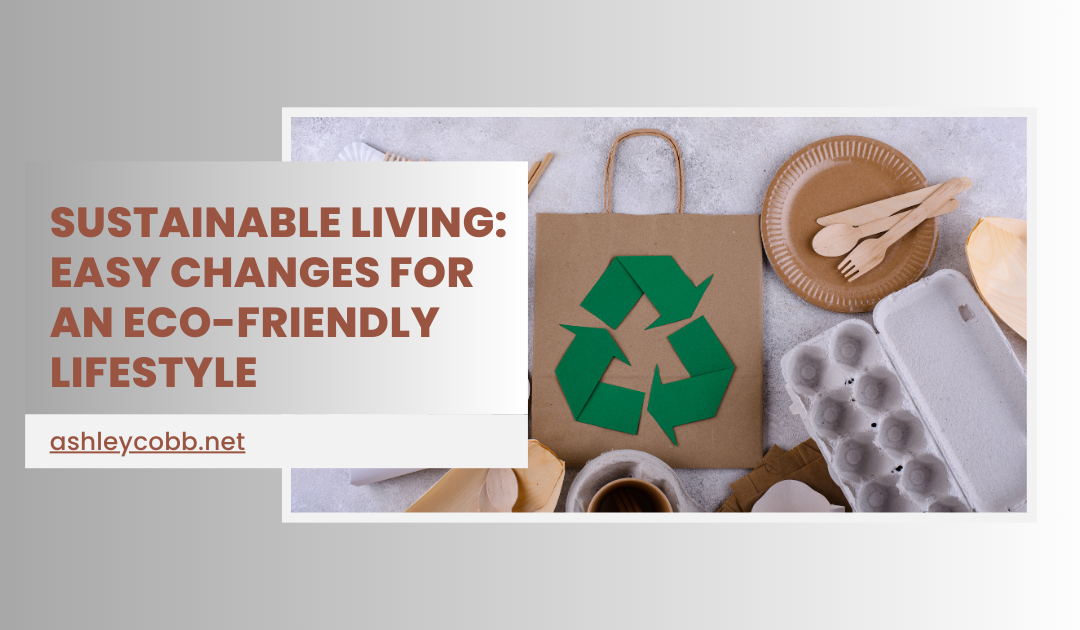
Living sustainably is not just a trend; it is a responsibility we all share to protect our planet for future generations. Many people assume that leading an eco-friendly lifestyle requires drastic changes, but in reality, small, consistent actions can make a significant impact. Simple choices in daily life can help reduce waste, conserve resources, and promote a healthier environment.
One of the easiest ways to start living sustainably is by reducing plastic consumption. Single-use plastics contribute significantly to environmental pollution, filling landfills and oceans with non-biodegradable waste. Switching to reusable alternatives such as stainless steel water bottles, cloth shopping bags, and glass food containers can drastically cut down plastic waste. Opting for products with minimal or biodegradable packaging can also make a big difference.
Energy conservation is another key aspect of sustainable living. Making minor adjustments, like turning off lights when leaving a room, using energy-efficient LED bulbs, and unplugging electronics when not in use, can help reduce electricity consumption. Investing in energy-efficient appliances and considering renewable energy sources, such as solar panels, can further minimize the carbon footprint. Even something as simple as air-drying clothes instead of using a dryer can contribute to energy conservation.
Sustainable eating habits also play a crucial role in protecting the environment. Reducing meat consumption, even for a few meals a week, can lower greenhouse gas emissions and reduce the strain on natural resources. Supporting local and organic farmers ensures that food is grown without harmful pesticides and excessive transportation emissions. Choosing seasonal produce, minimizing food waste, and composting organic scraps can all contribute to a more eco-friendly lifestyle.
Water conservation is often overlooked but is just as important in sustainable living. Small efforts such as fixing leaks, turning off taps while brushing teeth, and using water-efficient appliances can significantly reduce water wastage. Collecting rainwater for outdoor use and opting for drought-resistant plants in gardens can also help conserve water resources.
Sustainable transportation choices are another impactful way to live a greener lifestyle. Walking, cycling, carpooling, or using public transport can reduce carbon emissions. For those who need a personal vehicle, opting for hybrid or electric cars can be a more sustainable choice. Working remotely or combining errands into a single trip can also help reduce unnecessary fuel consumption.
Embracing sustainable fashion can further contribute to an eco-friendly lifestyle. Fast fashion generates enormous amounts of waste and pollution, making it essential to adopt mindful shopping habits. Choosing high-quality, timeless pieces, supporting ethical brands, and embracing second-hand or thrift shopping can help reduce the environmental impact of clothing consumption.
A significant yet often neglected aspect of sustainable living is mindful consumerism. Every purchase we make has an environmental impact, so being conscious of the products we buy and their long-term effects is crucial. Opting for durable, repairable, and recyclable items instead of disposable products helps reduce waste. Supporting brands that prioritize sustainability, ethical labor practices, and eco-friendly production methods is another way to make responsible consumer choices.
Sustainable living is a journey that starts with small, everyday choices. Making simple adjustments in daily routines can collectively have a profound impact on the environment. By being mindful of consumption, reducing waste, conserving resources, and making greener choices, individuals can contribute to a healthier and more sustainable planet.